

When you start a new relationship, that’s when you feel all the feels, want to spend every waking hour with each other or to speak to each other.
It is also when the impossible seems possible because you are basically riding on the clouds.
All that is great, as you will still likely come down to reality, where you now have to commit to loving the person.
So you should definitely enjoy that honeymoon stage while you can.
That’s why it will be sad if you spoil your relationship at the stage when you should be on a high.
But sometimes, we can intentionally or unintentionally do things that destroy a new relationship when we should be enjoying it.
I’m sure you don’t want that, and that’s why you are reading this.
So, let’s get to it.
9 Habits That Kill New Relationships Fast
1. Comparing Your Partner to Others

One thing we all need to settle and accept when it comes to relationships is that your partner is not the only person you will find attractive.
You don’t immediately lose your eyes or stop recognizing your type just because you have a partner.
In fact, you may meet people who will tick more boxes than your lover, and you may meet them at the beginning of your relationship.
Here is the thing, though: that would constantly happen to you, so you cannot afford to keep jumping from pillar to post any time you meet someone attractive.
And you should not compare your partner to them – in your thoughts or vocally.
Saying it out is the worst thing you can ever do to your relationship.
But even thinking about it is dangerous because, believe it or not, you will soon act on it, albeit unintentionally.
So, the best thing is not to dwell on it at all.
Honestly, nothing ruins a relationship faster than constantly comparing your partner to someone else.
It doesn’t even have to be a new person.
Even if it’s your brother, friend’s partner, or a character in a movie, comparisons will make your partner feel inadequate.
And you should absolutely not do it with an ex or a male friend – never make the mistake of mentioning them in comparison to your partner.
No matter what you feel, understand that every relationship is unique, and so is your partner.
So, focus on what you have, not what someone else has, and appreciate the real person in front of you.
2. Lying
Let’s start from the basics: you shouldn’t start your relationship on the foundation of lies.
You know those situations where you meet someone and you know or assume they may be against your personal circumstances, so you lie to them or omit it because you’re afraid of losing them?
Yeah, that! You shouldn’t do that because the truth will always come out, and sometimes at the beginning of the relationship.
But it doesn’t even have to be at the beginning; what matters is that it will eventually come out and destroy any trust your partner has in you.
Besides that, though, don’t lie to your partner in the relationship.
Even small lies destroy trust.
You don’t want to be in a situation where your partner is often wondering whether you’re telling the truth.
Now, I’m not saying you have to share every single detail about your life, but make sure to share what they need to know.
I don’t need to list examples because the truth is, you know the information your partner needs to know, except you want to deceive yourself.
So share it, or you are simply delaying the inevitable crash.
3. Avoiding Tough Conversations

Let me tell you that I hate confrontations as much as the next person.
If I never have to do it, I wouldn’t.
But I also know the damage it causes.
When it finally comes up—and it will—it often becomes more explosive than necessary because it has been compounded.
If you had only addressed it earlier, you would have avoided that.
So, stop tiptoeing around serious topics to keep the peace; you’re not doing your relationship any favors when you do that.
This is particularly an issue that happens at the beginning of the relationship because you want to enjoy the honeymoon stage as much as you can.
However, avoiding tough conversations only works in the short term; in the long term, it builds resentment.
So, if there’s any issue that’s keeping you awake at night, be sure to speak up kindly, but clearly.
Then you can address it and move on with your relationship.
4. Trying to Change Your Partner
This is another issue people make in new relationships – trying to change their partner.
Here’s what usually happens: you meet someone, like many things about them while disliking some.
But you like the ones you do enough to want to be with them.
However, in the relationship, others start bothering you, and you try to change it, which can frustrate your partner.
Here’s what should happen instead: when you meet someone, make sure you can live with their flaws or maybe not even flaws, but things you naturally don’t like.
If you can, then go ahead.
If you absolutely cannot, leave them be.
But then, I need to let you know that you won’t meet someone who is 100% what you want, except that you want to create your own person.
So, you need to be realistic and accept some things.
Once you get that, stop trying to fix or upgrade your partner, or else, you will make them feel unlovable.
Yes, they should grow and reach their potential, but growth must be natural, not forced.
If you’re constantly frustrated because they won’t change, maybe it’s not them that needs changing.
Learn to love people for who they are, not who you think they should be.
5. Unrealistic Expectations

This is quite similar to the above.
If you expect perfection from your partner, prepare to be disappointed.
No one is available 24/7, in the mood all the time, or knows what you’re thinking without you saying a word.
And they will offend you and hurt you; hopefully, unintentionally.
But the point is that you shouldn’t expect a perfect relationship because you are with an imperfect human and are imperfect yourself.
So, give some grace and allow space for human error.
Even a good partner isn’t perfect; as long as they’re willing to keep showing up for you, that should be enough.
6. Not Respecting Boundaries
Just because someone is in a relationship doesn’t mean they don’t have a right to certain boundaries.
Of course, some boundaries don’t make sense, as they indicate that the person is not ready for a relationship.
But some are healthy, and they keep the relationship safe.
Your partner still needs time alone, privacy, or emotional limits.
Don’t cross those lines, or you will make your partner feel disrespected and unsafe.
So, if they say, “This makes me uncomfortable,” listen to them.
If it’s reasonable, you have nothing to lose by validating and giving them that.
For example, if your partner says, “Don’t call me at work because we have a no-phone policy,” there is no reason why you should do that.
But if they say, “Don’t ever call me”, then that’s an unreasonable request and you’re dealing with bigger issues than boundaries.
Knowing the difference is a skill to master, perhaps, and following your gut as well.
7. Never Apologizing
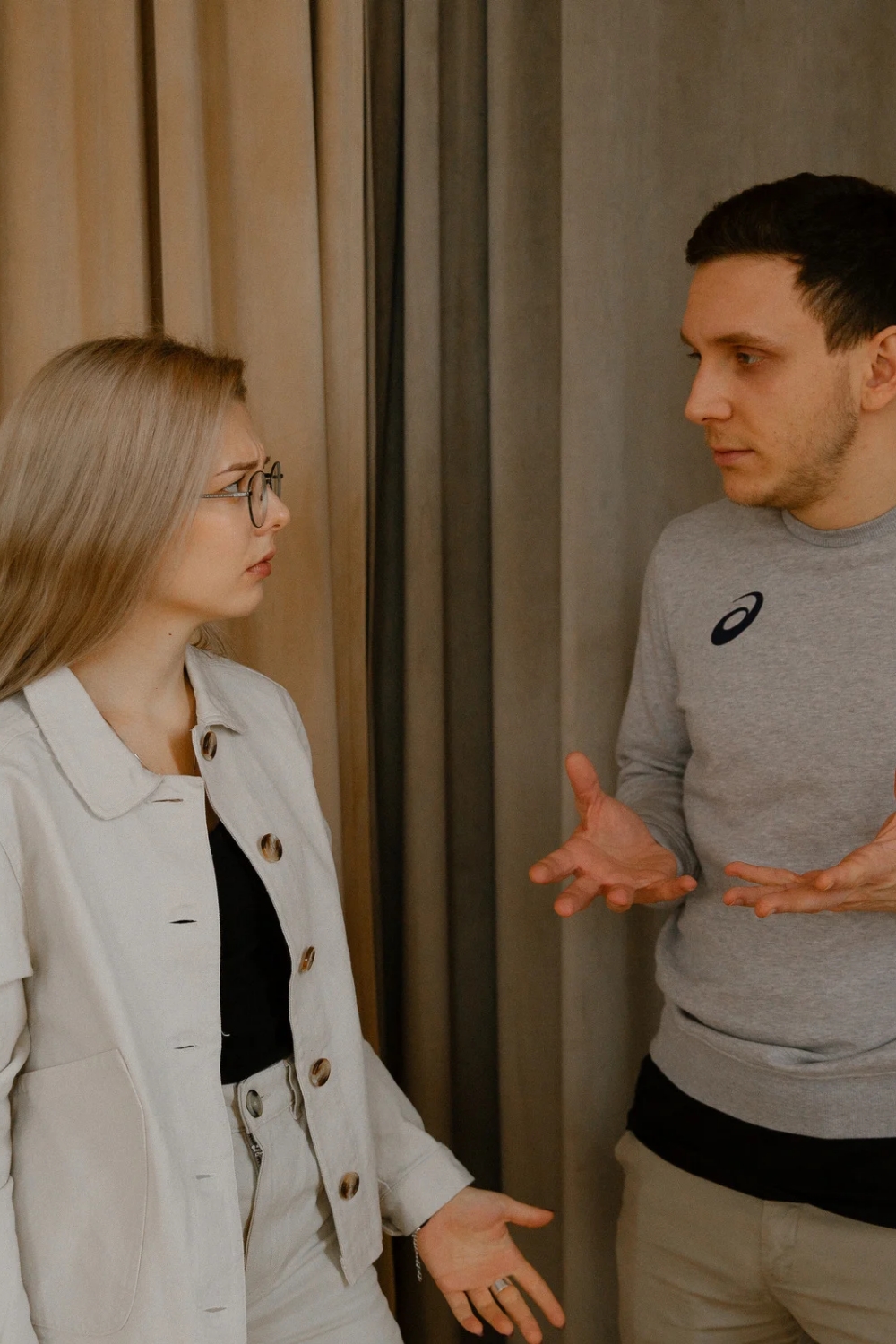
If you want to be in a relationship – any at all, even platonic- you need to be ready to say, “I’m sorry”.
If you struggle with apologies, you need to learn them now, because they’re a relationship lifesaver.
Nobody can cope with someone who is always defending themselves, shifting blame, or pretending nothing happened.
You’re basically telling your partner their feelings don’t matter when you do that.
Everyone messes up; if you’re with a reasonable person, they expect it.
What matters is how you handle it.
Honestly, just apologize when you are wrong; it doesn’t get any simpler than that.
8. Obsessive Jealousy
A little jealousy is normal; it’s even cute.
It shows your partner you value them and don’t want to lose them.
But it turns toxic when it becomes obsessive.
Don’t go about checking phones, accusing without proof, and displaying constant insecurity.
You will make your partner feel like they are in a prison.
If you can’t trust someone, don’t date them; and if you date them, trust them.
Also, if you know you have personal trauma that makes you insecure, deal with it with counselling before starting a relationship.
9. Not Putting in Effort

New relationships need nurturing.
A relationship is not an entity in itself that can function without effort.
If you’re basking in the euphoria of a new relationship and stop calling, planning, listening, or showing interest, things can fizzle out quickly.
Love is something you build every day, if you want it to serve you.
So, don’t assume your partner will carry all the weight.
Show up, be present, and keep doing the little things.
That’s how you turn a new relationship into a lasting relationship.